


 Back to Blog
Spring birding in Norfolk, April 2026

Sun 10th May, 2026
Having visited many of the reserves in Norfolk over several years it was wonderful to take a great group of clients to this fantastic birding destination this spring. Meeting my group at RSPB Frampton Marsh is a great way to break the journey from Yorkshire. Bordering the Wash the reserve provides a mosaic of habitats, with freshwater lagoons being separated from the wide expanses of saltmarsh by the sea wall and edged with reedbeds, which in turn are surrounded by wet grassland. Visiting Frampton, you will never leave disappointed.
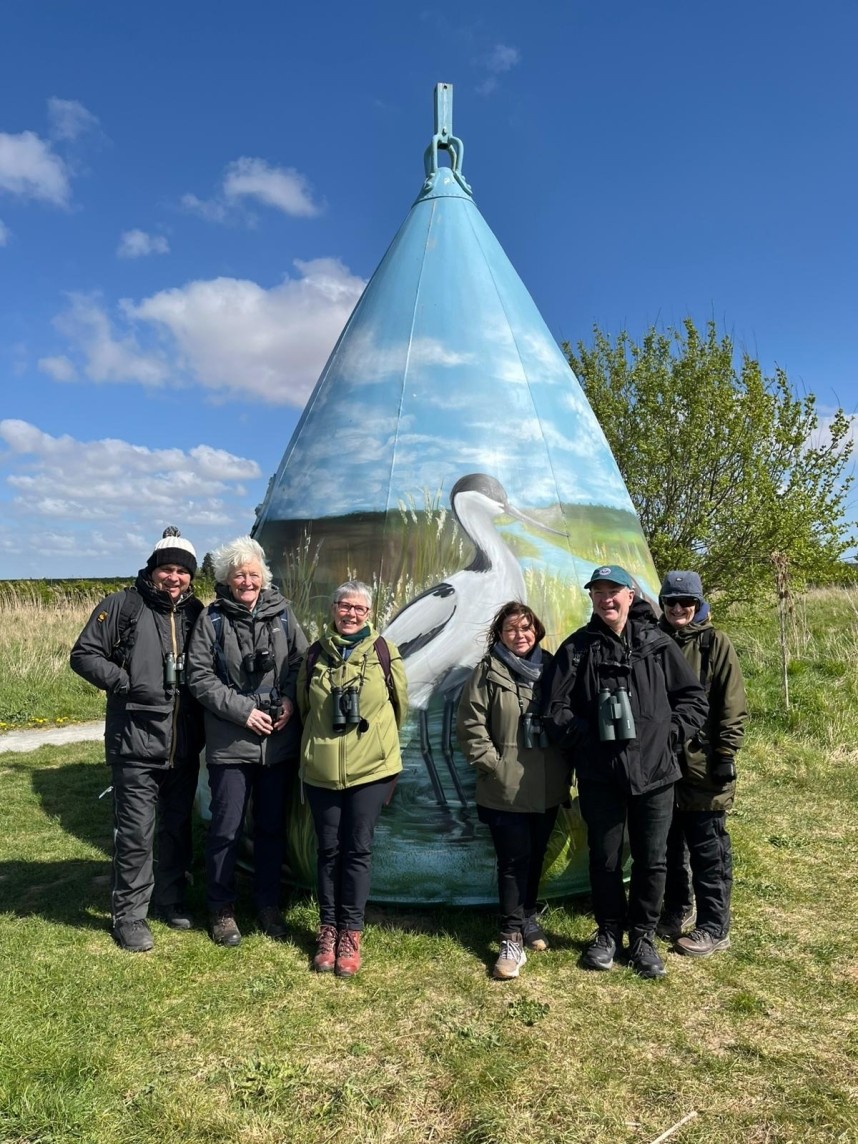
YCN Birding Group at Frampton Marsh RSPB - © Margaret Boyd
Despite a cold wind, the day was dry and we spent the morning along the lagoons and marshes, observing a range of wildfowl and wadres. Sheltering from the wind in the afternoon we birded along the hedgerows, observing a host of passerines, including recently arrived migrants. Across the reserve it was lovely to see the whole area dotted with breeding Northern Lapwings, several of which were displaying. Other notable waders included a large flock of roosting Black-tailed godwits, in amongst which was a Spotted Redshank. But the highlight was a rare Black-winged stilt. A slender wader, it’s long, delicate pink legs and black and white plumage making it easy to spot and enjoy at the edge of a lagoon, everyone getting great views of this exotic, Mediterranean wader. A great tally to start the trip.
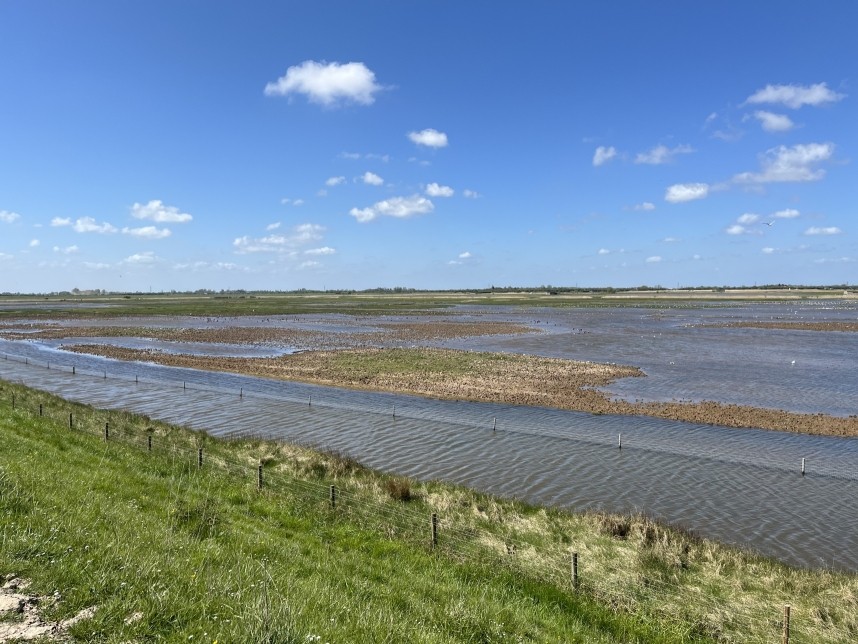
Frampton Marsh RSPB - © Margaret Boyd
The second morning started at Maid’s Cross local nature reserve, on the edge of Lakenheath, and this was our first opportunity to soak up a range of summer migrants. Within minutes of leaving the cars the songs of Common Whitethroat, Chiffchaff, Blackcap and Willow Warbler could all be heard. The Whitethroat perched right at the top of a hawthorn giving excellent views. It wasn’t long before the beautiful song of our target bird, the Common Nightingale could be heard, amazing. Getting closer to where the bird was singing, we edged along the path, reaching the road, at which point we realized we were listening to two separate birds and then one came down right in front of us, on the ground then back into the bush. A third bird joined in and for the next 30 minutes we delighted in being so close to these fantastic songsters. Pure joy.
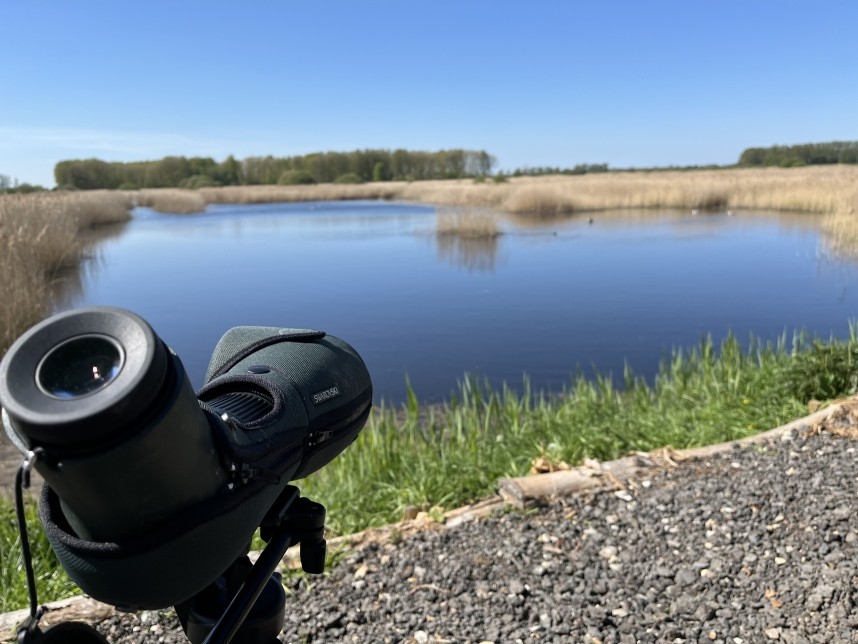
Lakenheath RSPB - © Margaret Boyd
Only a few miles away, the RSPB reserve at Lakenheath was our next stop. Only 30 years ago the 500 hectares that are now reedbeds, grazed fenland and wet grass land were areas of intensive arable land. We tracked around the edge of the reserve, following the Little Ouse, picking up a range of wildfowl before dropping off the riverbank to overlook the extensive reedbed. From here we could see male and female Marsh Harriers hunting low over the reeds and in the distance it was possible to pick out at least four Eurasian Hobbys over the tree line. Whilst watching one of the Marsh harriers several of the group managed to spot a Eurasian Bittern fly low across the reeds before it disappeared into the reeds.
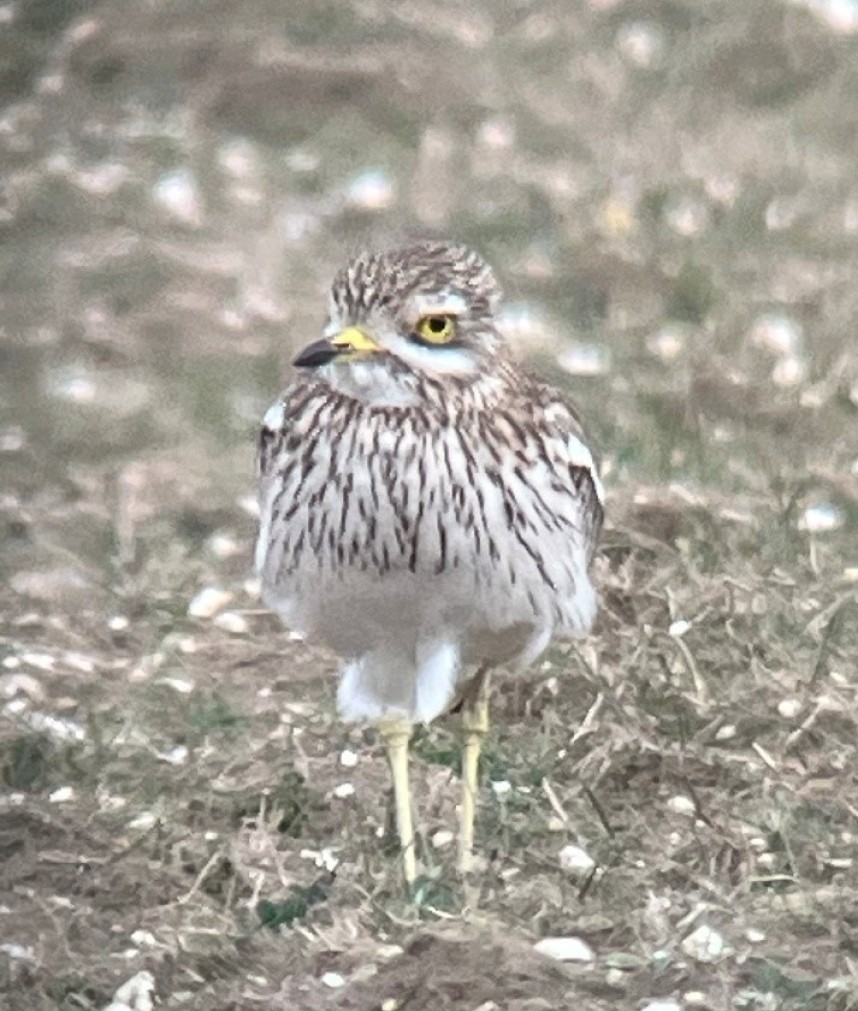
Stone Curlew - Norfolk 2026 © Margaret Boyd
Although late in the afternoon, we still had enough time to make a quick stop at Norfolk Wildlife Trust’s small heathland reserve at Weeting heath. The target species and the reason for the specific management practices here is the Stone Curlew. It took several attempts to describe the location of this highly camouflaged bird to everyone in the group but eventually it was observed by all and was a great way to finish the day.
We started our final day back at Weeting heath, heading this time to another hide that overlooks the heath, searching first for any Stone Curlews. This time it was easier to find them and everyone soon got their binoculars onto a pair. The two birds put on quite a display, walking around and showing displaying behaviour by raising their tails, before settling back down again in amongst the stoned surface. Also sharing this little patch was a single Eurasian Curlew and there were a few Lapwings across the grassland too.
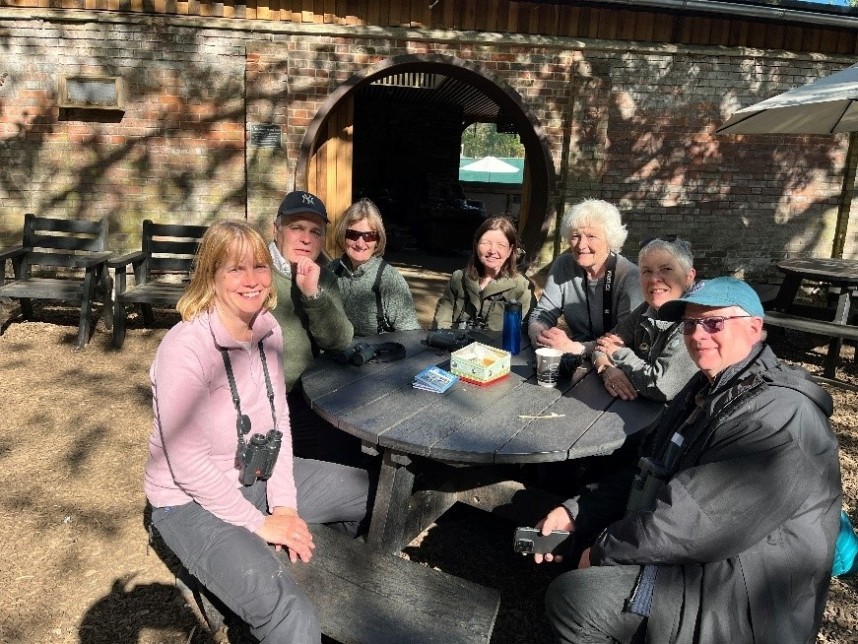
YCN Birding Group in Norfolk April 2026
Looking across to the other side of the road at the adjacent heath and we, very quickly spotted another Stone Curlew and Curlew and several Northern Wheatears, with a further pair of Stone Curlews nearby. Then, flying towards us and landing close by a Woodlark came into view and gave everyone a good opportunity to distinguish it from a Eurasian Skylark which we had heard overhead. It’s shorter tail and more patterned head plumage showing very well, a lovely view.
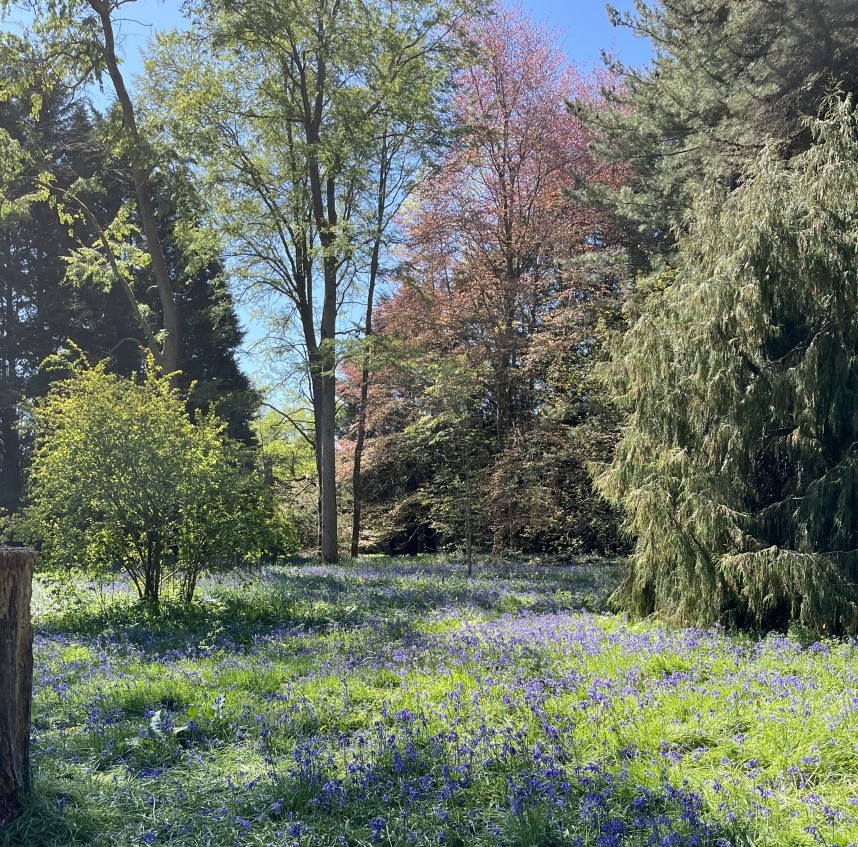
Lynford Arboretum - Norfolk 2026 © Margaret Boyd
Our final destination for this trip was Lynford Arboretum, which has a good range of woodland birds. One of the key species for this site is Firecrest and although the light didn’t give us the best views, to hear one singing right above our heads was a delight. Another delight was to see a pair of Eurasian Nuthatch feeding on the surrounding trees before returning to their nest site, nestled into the fork of a tree not far from where we were standing. We had a sedate wander around the woodland edges, observing a wide variety of woodland species as well a pair of Grey Wagtails busily catching food for their hungry brood at the small waterfall. The day ended not only with the first Garden Warbler but with delicious coffee and cake and recollections of a very enjoyable few days.
YCN Wildlife Guide